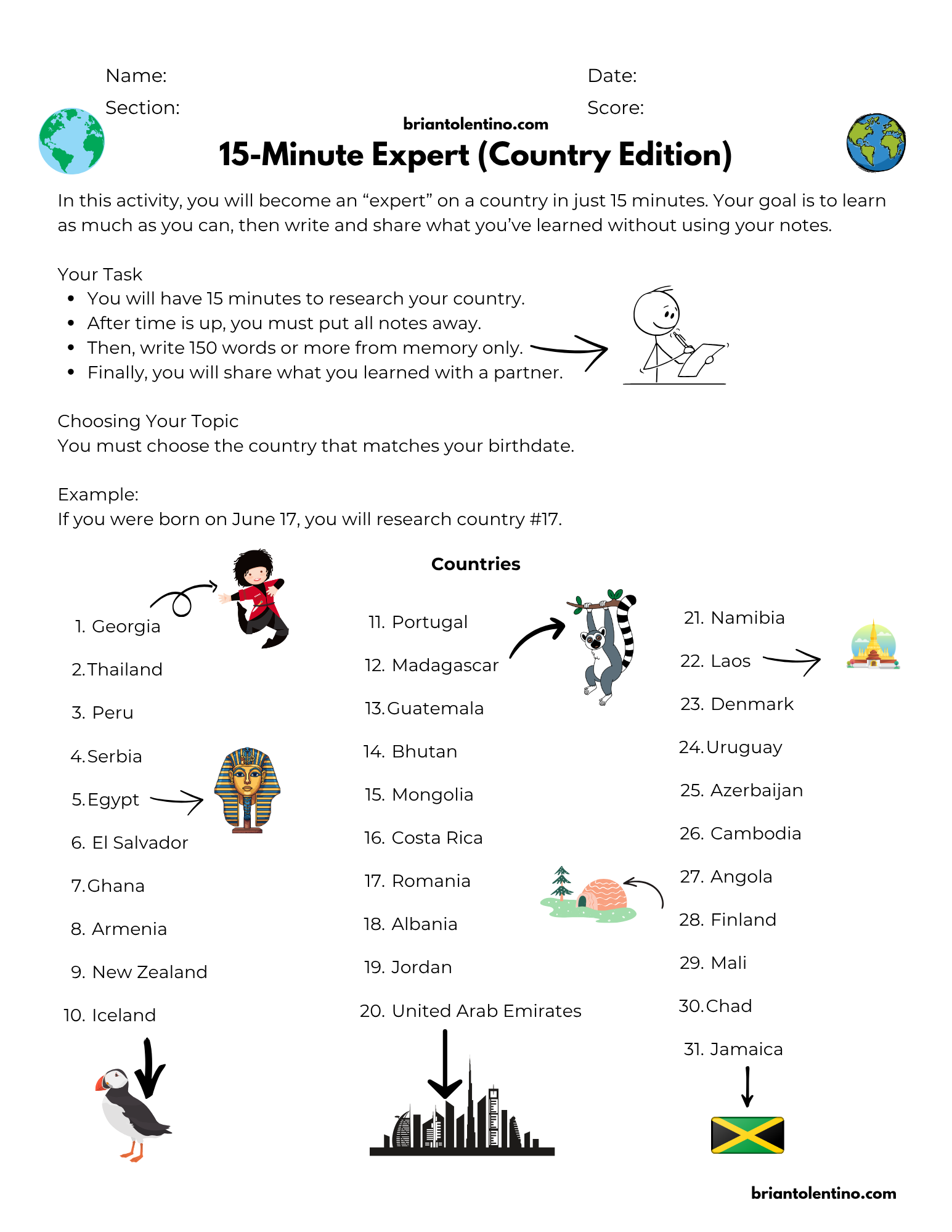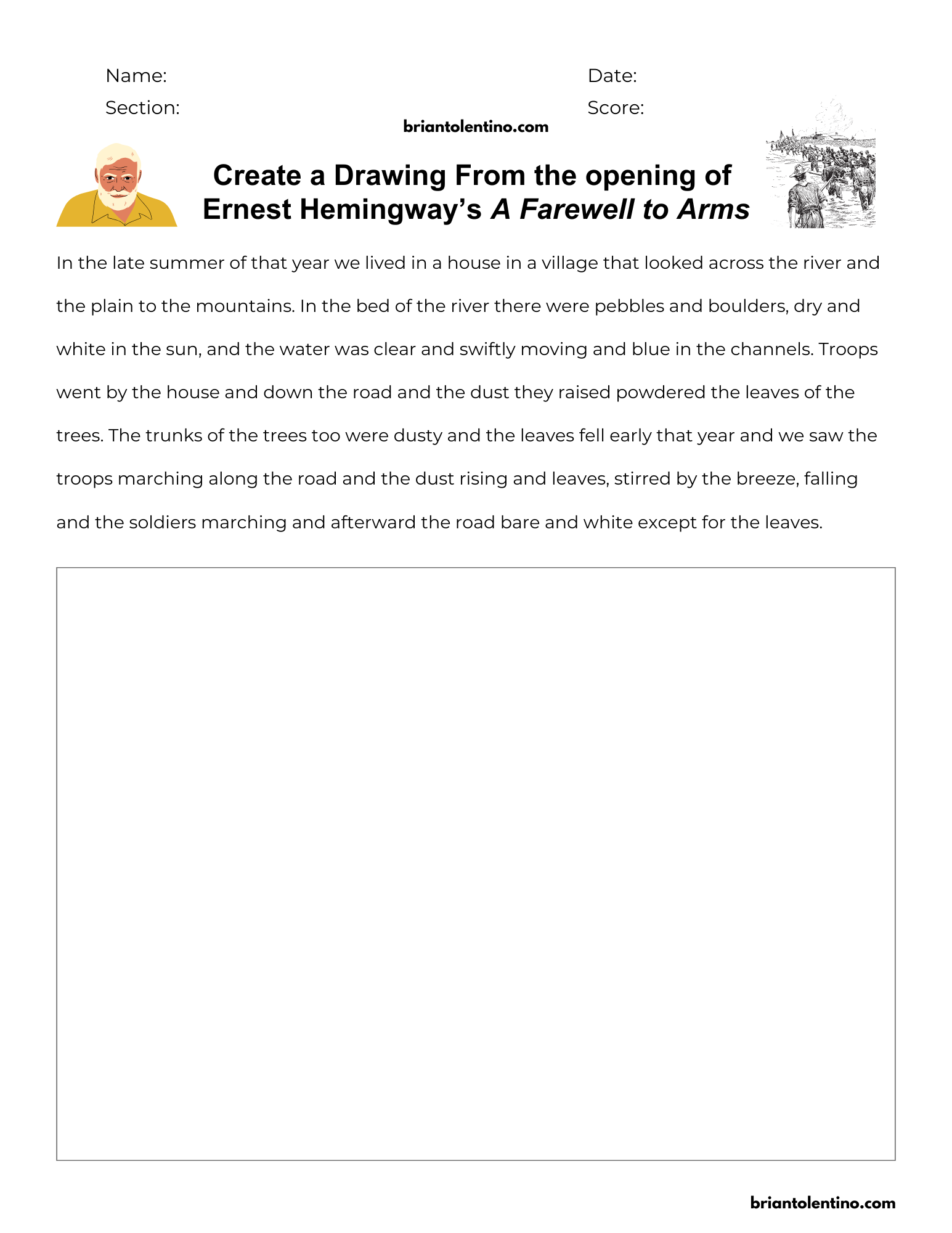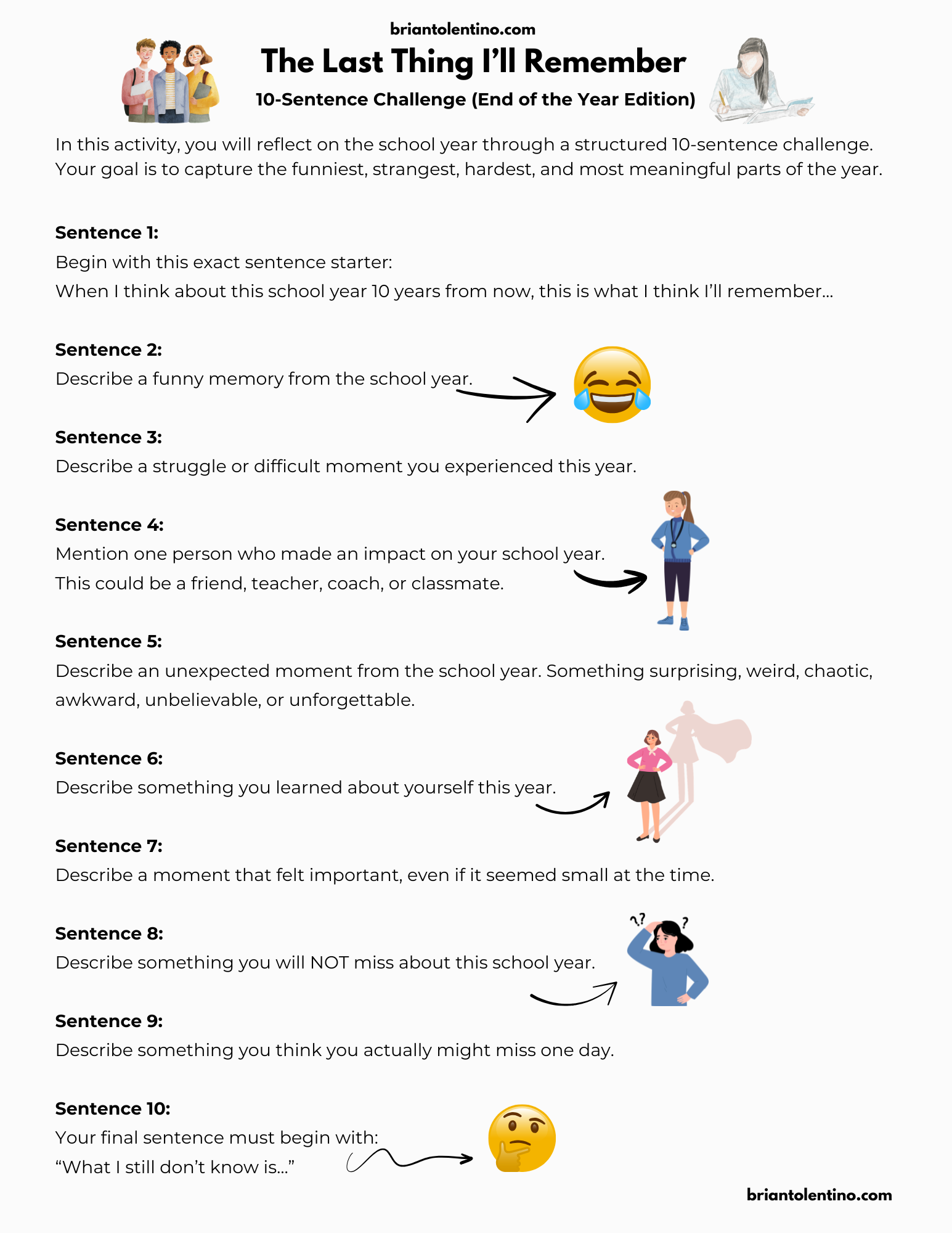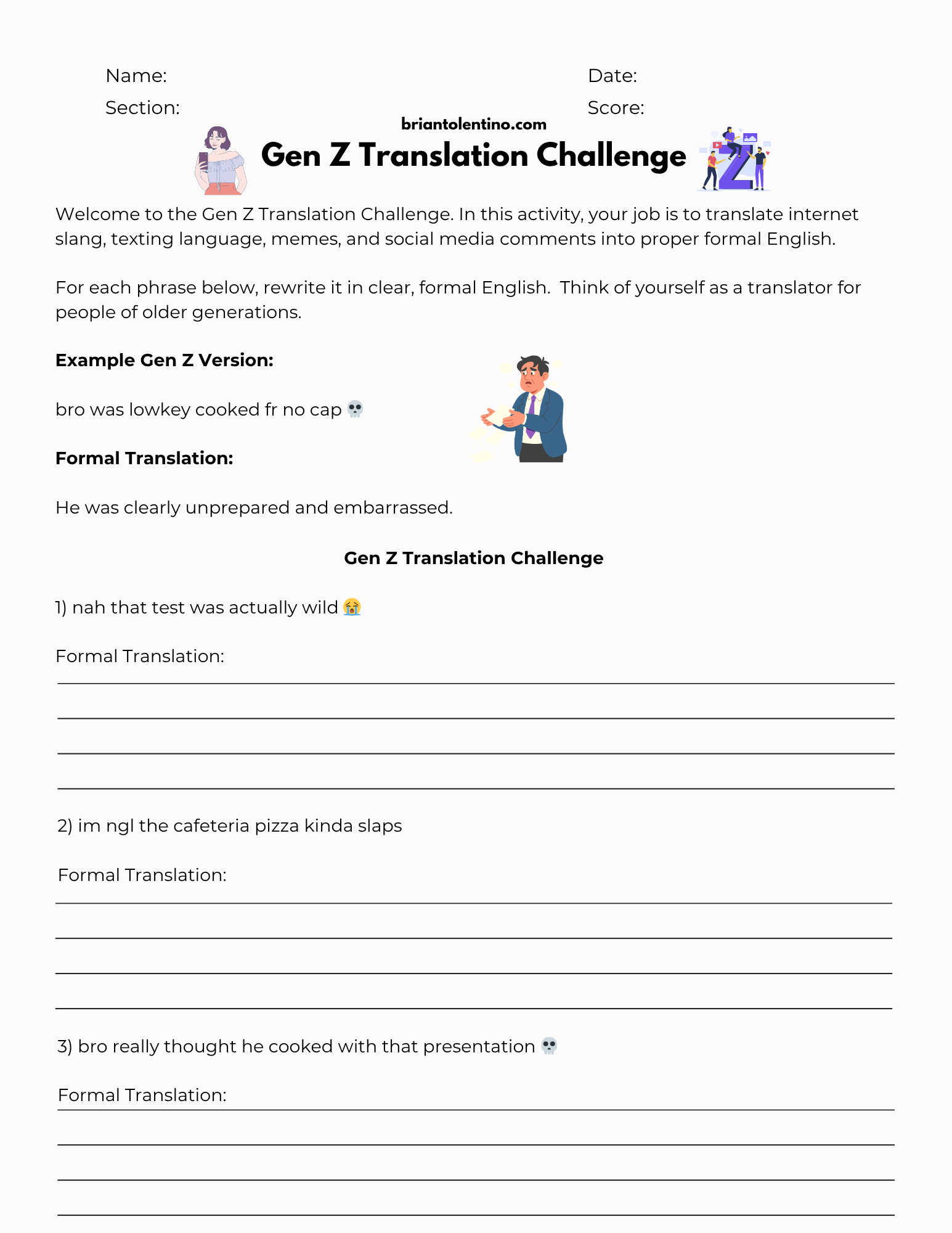
CATEGORIES
RECENT ARTICLES

Flash Fiction and Microfiction Activities for the Classroom!
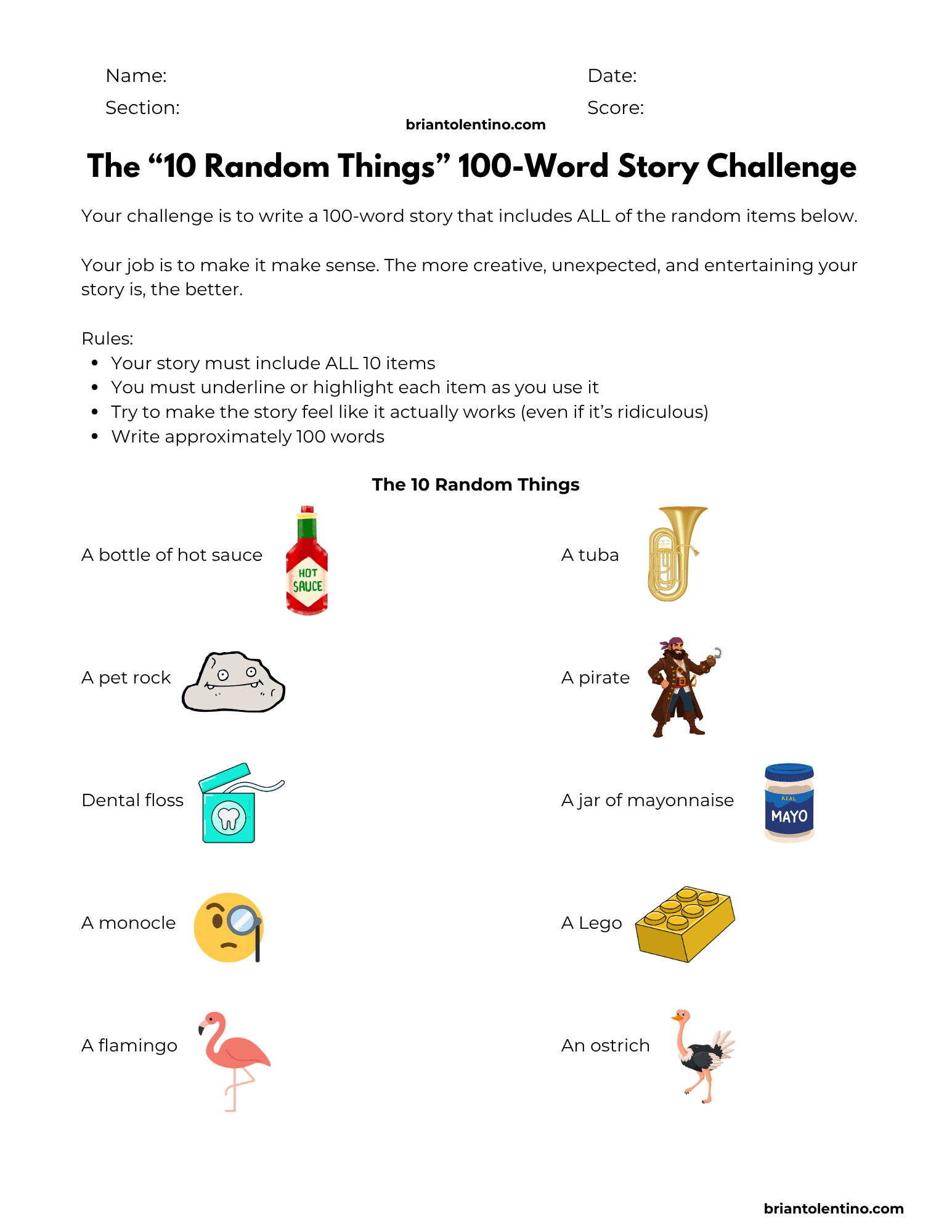
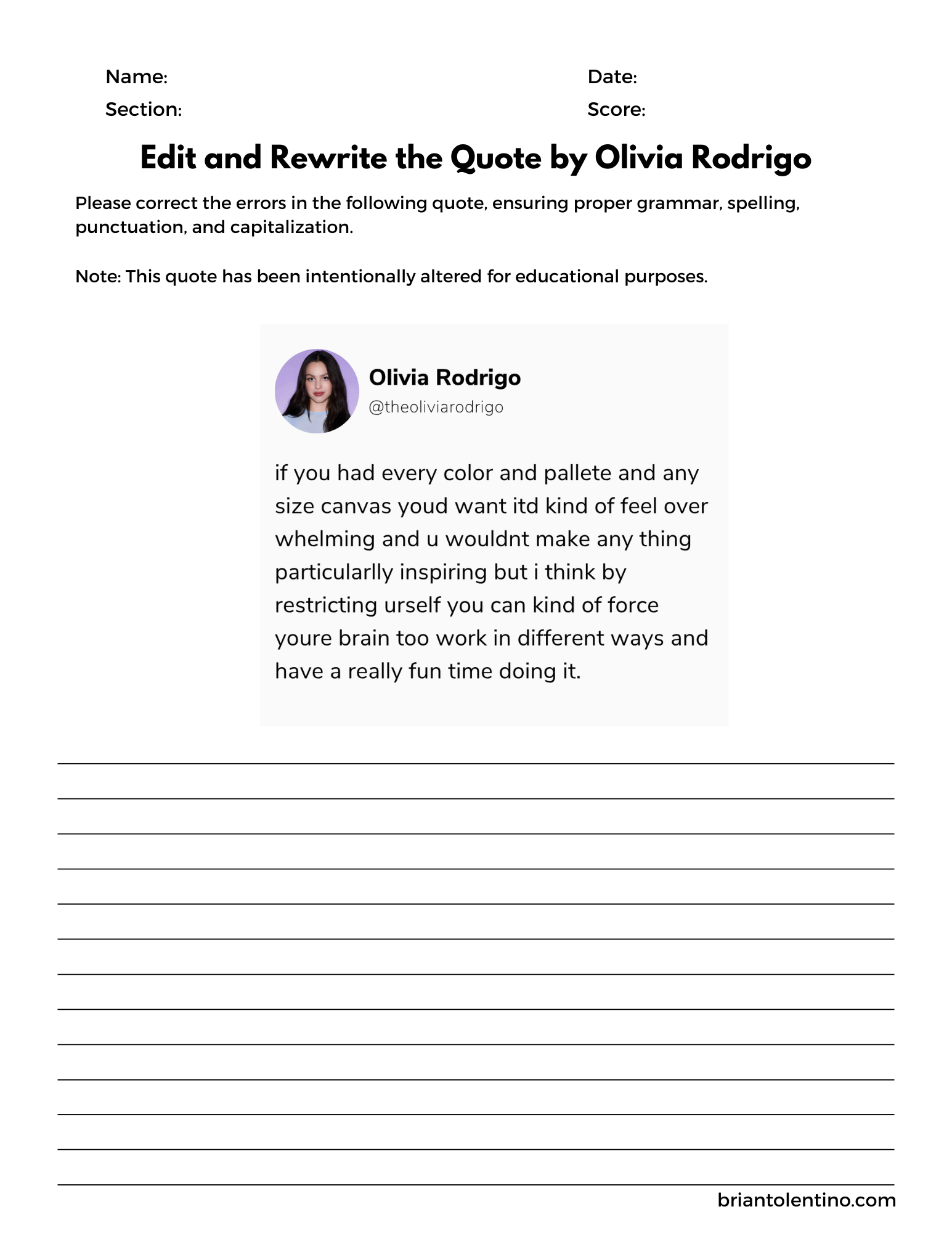
Flash fiction is a great tool for engaging young writers. Because the stories are short, students must take a unique and focused approach to storytelling. It also gives students an opportunity to share their work with classmates and allows teachers to provide quick, targeted feedback. Sometimes that feedback is simple and direct: “You need a period here, Tim.” Flash fiction also works well as a warm-up, sub plan, or class finishing activity. MIcrofiction Challenges MIcrofiction Challenge

Microfiction Challenge #5
Write a piece of microfiction for each picture given. Video: Worksheet:

YOU are a reader and writer.
Remember: everyone is a writer. You don’t have to be “creative” to be a writer. Writing is simply sharing ideas. And just like a fingerprint, everyone has unique ideas and perspectives to share with the world. Here are some activities to help you think like a reader and writer. 10 Tips for Young Writers: Create Your Personalized Reading Plan Video: Create a Plan to Build a Consistent Reading Habit! Video: Worksheet: What Kind of Writer

Board Tales: Collaborative Storytelling
The Sketch: Select 1–4 students to come to the board. They have 5 minutes to collaboratively create a scene (a landscape, character, monster, etc.) The Prompt: Once finished, the rest of the class must use the drawing as the setting or subject for a creative writing piece. Worksheet: Here is an example drawing by a class of sixth graders:

10 Tips for Young Writers
Most writing advice is meant for adults. But the ages between 12 and 18 are key to building your foundation as a thinker and writer. Here are 10 simple tips to help you become a stronger writer. Worksheet:

The 7-Adjective Story Challenge!
Your goal is to write a short story that creatively integrates the seven adjectives below. The objective is to practice incorporating new, descriptive words into your writing. Worksheet: